
Prostate Health · Symptoms
Weak Urine Stream After 50: Common Causes and When to Check
By OakMan Guide Editorial Team Updated 8 min read
The short answer
The most common cause of a weak urine stream after 50 is an enlarged prostate, though a narrowed urethra, a weak bladder muscle, an infection or certain medicines can do it too. A weak stream is worth a doctor visit, and urgent care if you cannot pee at all, see blood, or have severe pain or fever.
We're not doctors, and this is not medical advice.

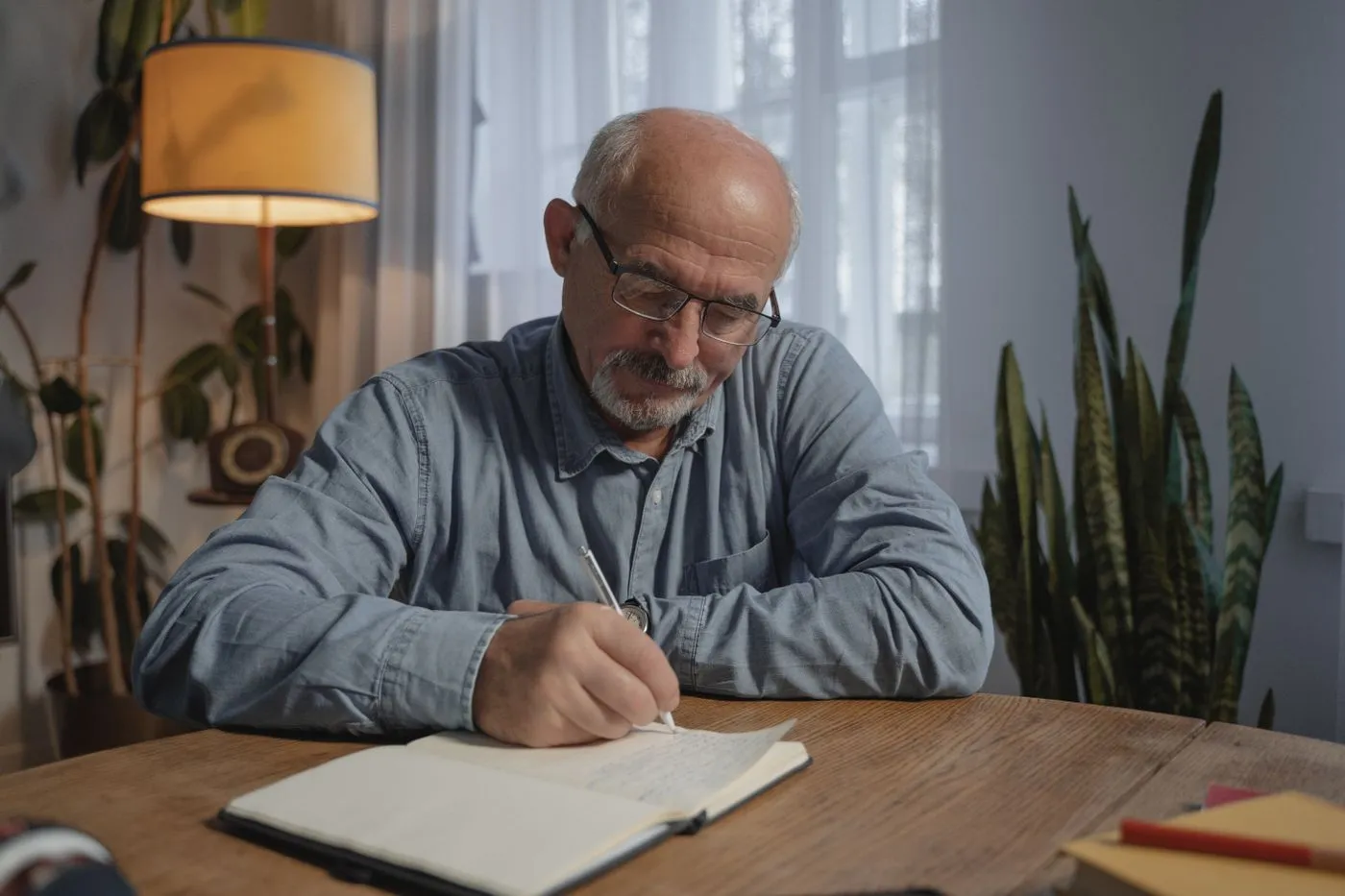
Photo: Elderly Man wearing Eyeglasses looking at a Woman by SHVETS production on Pexels.
A stream that used to be strong and is now slow, split or hesitant is easy to shrug off. Here is what is usually behind it, what you can try at home and when to get it checked.
What counts as a weak urine stream?
Doctors describe it in a few plain ways. The NHS lists a weak flow of pee, stopping and starting, taking longer than usual to empty your bladder, difficulty starting, having to push or strain, dribbling after you finish, and feeling like you cannot fully empty your bladder. The NIDDK puts it as a weak or interrupted stream, or dribbling at the end of urination.
Two details matter. These changes usually come on slowly, the NHS says, and may gradually get worse with age, which is why many men get used to them. And the NIDDK notes that chronic urinary retention, where the bladder never quite empties, can cause few or no symptoms, so a slow stream is sometimes the only clue.
What are the most common causes after 50?
The short list below comes from the NIDDK, the NHS and MedlinePlus. The first one is by far the most common in men over 50, but it is not the only one.
| Cause | What slows the stream | Source |
|---|---|---|
| Enlarged prostate | The gland squeezes the urethra | NIDDK, NHS |
| Narrowed urethra | Scar tissue or a stricture blocks the flow | NIDDK |
| Weak bladder muscle | The bladder cannot push hard enough | NIDDK |
| Infection or inflammation | A urinary infection or prostatitis | NIDDK |
| Medicines | Some drugs dull the nerve signals | NIDDK, MedlinePlus |
| Constipation | Pressure on the bladder and urethra | NIDDK, NHS |
Two of them are worth a closer look.
How does an enlarged prostate weaken the stream?
The prostate sits just below the bladder, with the urethra running through the middle of it. As the gland grows, it squeezes that channel. The NIDDK explains that the bladder muscles then have to work harder to push urine through the narrowed urethra, and that over time they may weaken and leave some urine behind.
It is very common. By the NIDDK's estimate, roughly 3 in 10 men who are 65 or older have benign prostatic hyperplasia (BPH), and it ranks first among prostate problems after 50. The MedlinePlus page adds that fewer than half of men with BPH have symptoms. Our guide to enlarged prostate symptoms lists all eight signs.
The NIDDK also says size and symptoms do not always match: a big gland can stay quiet while a mildly enlarged one is a daily nuisance. In our opinion, that is the best reason to judge by your stream and not by a scan or a number.
What else can weaken the stream?
The NIDDK page on urinary retention splits the causes into two groups. The first is a blockage that partly stops urine leaving the bladder. Besides an enlarged prostate, it lists urethral stricture or scar tissue in the bladder neck, urinary tract stones, constipation, tight pelvic floor muscles and infections such as a urinary tract infection or prostatitis. If pain or fever comes with the symptoms, prostatitis vs BPH explains the difference.
The second group is a bladder that cannot squeeze hard enough, called an underactive bladder. The NIDDK names age-related loss of bladder muscle strength, nerve problems such as Parkinson's disease, multiple sclerosis, stroke and diabetes, and some surgeries. In both groups, the cause decides the treatment, which is why guessing is a poor plan.
Can my medicines be part of the problem?
Sometimes, and it is an easy one to check. The NIDDK says some medicines can make BPH symptoms worse, and it asks you to mention these to your health care team:
- Cold and cough remedies with a decongestant or an antihistamine, even when bought without a prescription
- Tranquilizers
- Antidepressants
- Diuretics (water pills)
The NIDDK's urinary retention page names more, including some pain relievers, calcium channel blockers and opioids. The NHS suggests asking a doctor or pharmacist whether a medicine you take for another condition could be making your symptoms worse. MedlinePlus is clear on one point: do not stop or change a medicine without talking to your provider first. Bring the full list, including what you buy without a prescription, and the answer may be as simple as a swap.
What can I try at home?
Habits will not fix a blocked urethra, but they can make a mild case easier to live with while you arrange a visit. These come from the NHS, the NIDDK and MedlinePlus:
- Take your time. The NHS says not to strain or push, to relax, and to wait a few moments after you finish and then try again to help empty the bladder.
- Go when you first feel the urge. MedlinePlus advises going as soon as you feel the urge, and the NIDDK says not to hold urine for long periods.
- Trim caffeine and alcohol. The NHS says they can make you pee more. See which one to cut first in our caffeine and alcohol guide.
- Spread your fluids. The NHS says to drink less before bed or before going out, but enough through the rest of the day, because cutting back too much can lead to urinary tract infections.
- Keep things moving. The NHS says enough fibre helps prevent constipation, which can put pressure on the bladder, and a healthy weight helps because extra weight can make symptoms worse.
- Stay active. The NIDDK lists being physically active as a way to reduce symptoms. Our Kegel guide and foods and habits guide are easy places to start.
MedlinePlus gives a clear yardstick: if you have tried self-care steps for 2 months and symptoms have not improved, contact your provider. In our opinion, the easiest way to keep that promise is a reminder set for two months from today.
When should I see a doctor?
Sooner than most men think. The NHS says to see a GP if you have difficulty peeing or need to pee more often, and adds, "Try not to be embarrassed. The GP will be used to talking about these symptoms." The NIDDK adds that urinary symptoms can also come from bladder problems, urinary tract infections, prostatitis or prostate cancer, so it wants them discussed with a professional, and MedlinePlus lists a bladder that does not feel empty after you urinate as a reason to call.
Get help right away if
Do not wait for an appointment if you cannot pass urine at all, see blood in it, have strong pain in your lower belly or urinary tract, or have fever and chills together with painful, frequent, urgent urination. The NIDDK lists each of these as a reason to tell a health care professional right away. The NIDDK on urinary retention adds that if you are suddenly unable to urinate, you should seek emergency medical treatment, because acute urinary retention can be life threatening.
If your stream is simply slower than it used to be, the visit can be a normal appointment, and a good time to ask about the other items on our checkups list for men over 50.
Why is it worth checking early?
Because a bladder that does not empty fully is easier to look after early than late. The NIDDK lists the complications of urinary retention as urinary tract infections, bladder damage, kidney damage and leaking from an overfull bladder, and says that working with a health care professional to prevent and treat them matters for the urinary tract and for overall health. It also says that acute retention is common in older men: over a five-year period, about 1 in 10 men over 70 and almost 1 in 3 men in their 80s will develop it.
The NHS makes the other half of the case: these symptoms can sometimes be caused by more serious conditions, such as prostate cancer, and if it is cancer, finding it early may mean it is easier to treat. An enlarged prostate on its own is not caused by cancer and does not raise your risk of it, the NHS says, and it calls the condition common and not usually serious. Either way, the visit gives you a cause and a plan.
What will the doctor check?
Usually less than men fear. The NHS says the GP will ask about your symptoms, such as how often you pee, may examine your belly and check the prostate, and will usually ask you to keep a record for at least 3 days of how much you drink and how often and how much you pee. Tests might include a urine sample and a PSA blood test, with a referral for a urine flow test, a bladder ultrasound or a look inside the bladder with a camera if needed.
The NIDDK adds a postvoid residual measurement, which finds out how much urine is left in the bladder after you pee, using a catheter or ultrasound. Our PSA test guide explains the blood test in plain English.
What should I do this week?
- Write it down. For 3 days, note what you drink, how often you pee and how the stream feels, the same record the NHS says the doctor will ask for. The notes from our night-time bladder diary work for this too.
- List your medicines. Include cold and allergy products and anything bought without a prescription.
- Book the visit. Say plainly that your stream has weakened and for how long.
- Know your stop signs. Cannot pee, blood in the urine, severe pain, or pain with fever: get help right away.
For the bigger picture, start with our men's health guide. If the nights are the bigger problem, our night-trips guide is the next read.
Frequently asked questions
Is a weak urine stream normal after 50?
It is common. The NHS says an enlarged prostate is common, not usually serious and most frequent in men over 50. Common does not mean it has to be ignored, though: the NHS also says these symptoms can sometimes come from other, more serious conditions, so it is worth getting them checked.
What is the most common cause of a weak urine stream in men?
An enlarged prostate, known as benign prostatic hyperplasia or BPH. As the NIDDK describes it, the growing gland presses on the urethra and slows the flow of urine, and it becomes more common as men age.
Can a weak stream be caused by something other than the prostate?
Yes. The NIDDK lists a narrowed urethra or scar tissue at the bladder neck, bladder stones, constipation, tight pelvic floor muscles, infections, nerve problems that weaken the bladder muscle, and a long list of medicines, among others.
Can cold medicine make my stream weaker?
It can. The NIDDK and MedlinePlus both say over-the-counter cold and cough medicines with decongestants or antihistamines can make BPH symptoms worse. MedlinePlus adds that you should not stop or change a prescribed medicine without talking to your provider.
Can a weak stream be a sign of prostate cancer?
It can be, which is one reason to get it checked. The NIDDK lists prostate cancer among the other possible causes of urinary symptoms. The NHS says an enlarged prostate is not caused by cancer and does not raise your risk of it, and that finding cancer early may make it easier to treat.
When is a weak urine stream an emergency?
Being unable to pass any urine, or having severe belly pain, calls for care at once, the NIDDK says, because acute urinary retention can be life threatening. It also lists blood in the urine, and painful, frequent, urgent urination with fever and chills, as reasons to get care right away.
What will the doctor do about a weak stream?
The NHS says the doctor will ask about your symptoms and may check your belly and prostate, test a urine sample and order a PSA blood test. You may be asked to keep a 3-day record of what you drink and how often you pee, and be referred for a urine flow test or a bladder ultrasound.
Sources we checked for this article
- NIDDK: Enlarged Prostate (Benign Prostatic Hyperplasia) (last reviewed June 2024, read November 8, 2026)
- NIDDK: Definition & Facts of Urinary Retention (last reviewed December 2019, read November 8, 2026)
- NIDDK: Symptoms & Causes of Urinary Retention (last reviewed December 2019, read November 8, 2026)
- NIDDK: Diagnosis of Urinary Retention (last reviewed December 2019, read November 8, 2026)
- NHS: Enlarged prostate (page last reviewed April 8, 2025, read November 8, 2026)
- MedlinePlus (National Library of Medicine): Enlarged prostate (review date July 1, 2025, read November 8, 2026)