
Prostate Health · Symptoms
Enlarged Prostate Symptoms After 50: 8 Common Signs and What Helps
By OakMan Guide Editorial Team Updated 7 min read
The short answer
An enlarged prostate (BPH) mostly shows up as problems with peeing: a slow start, a weak or stop-and-start stream, a bladder that never feels empty, dribbling at the end, going more often or more urgently, and getting up at night. It builds slowly, it is not cancer, and it is very common after 50. Simple habits and a daily prostate formula are what many men add.
We're not doctors, and this is not medical advice. This article may contain affiliate links, always to the official websites of the products mentioned. If you buy through one of these links, you support our work at no additional cost to you. This never influences what we write.
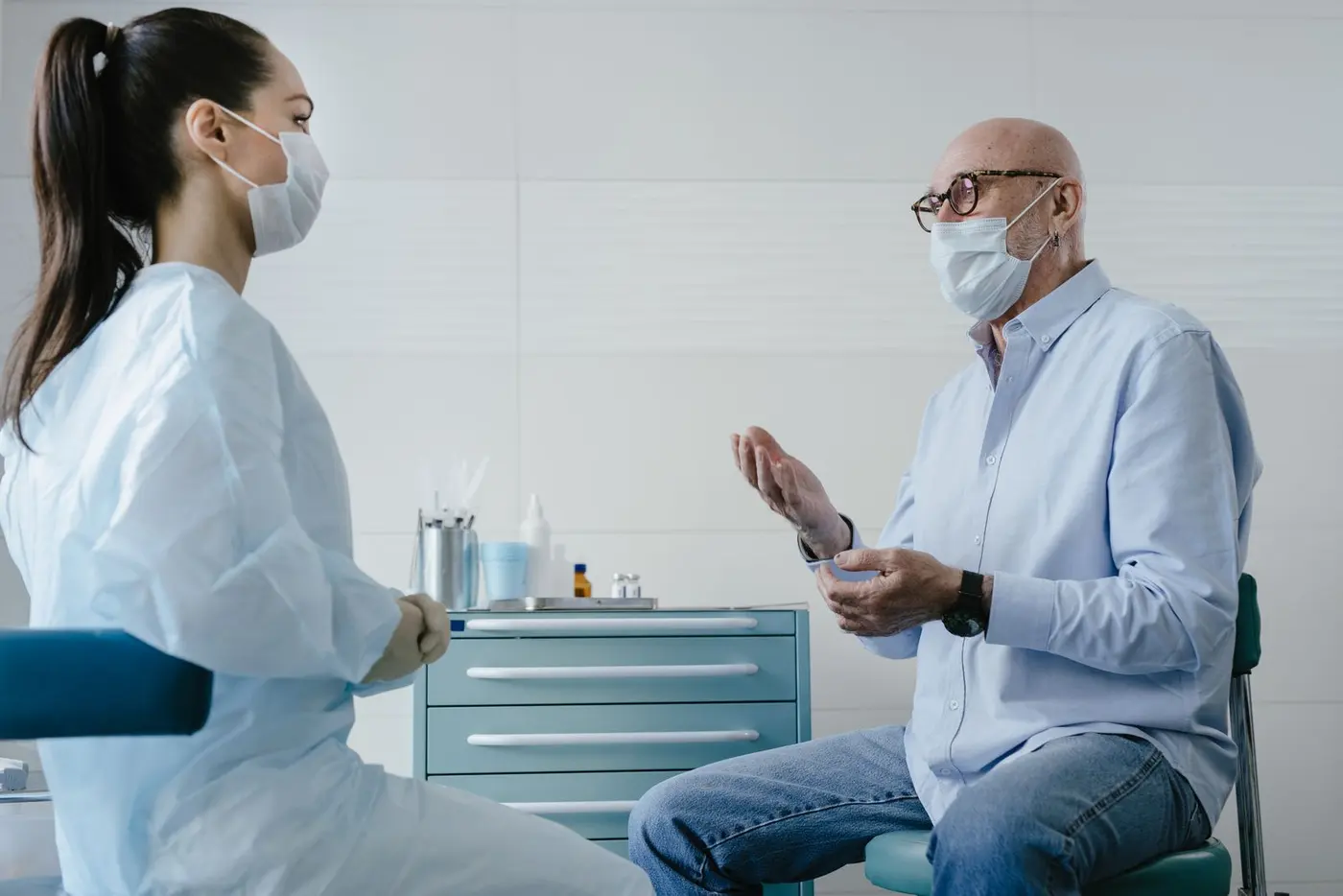
A weaker stream, a bladder that never feels empty, and nights broken up by the bathroom. Here is what the symptoms look like and what helps.
What is an enlarged prostate, and how common is it after 50?
The NHS explains it simply: the prostate is a small gland below the bladder that makes semen and controls the flow of pee from your bladder. When it gets bigger, it can put pressure on the tube that carries pee out (the urethra) and cause problems peeing. The doctors' name is benign prostatic hyperplasia, or BPH. The NHS calls it common and "not usually serious," and most common in men over 50.
The numbers back that up. The NIDDK reports that BPH affects 5 to 6 percent of men ages 40 to 64 and 29 to 33 percent of men 65 and older. MedlinePlus adds that a small amount of enlargement is present in many men over 40.
Here is the part that surprises many men. MedlinePlus also says fewer than half of all men with BPH actually have symptoms. So a big prostate on a scan and a bothersome bathroom life are two different things. What matters is the second one.
For many men the first sign is the night trips, and the doctor's word for the prostate is "mildly enlarged." The nights are what bother them, not the word.
What are the 8 most common enlarged prostate symptoms?
We checked three sources: the NHS, the NIDDK and MedlinePlus, which is run by the National Library of Medicine. They overlap almost completely. Here are the eight signs, and which sources list each one.
| Sign | NHS | NIDDK | MedlinePlus |
|---|---|---|---|
| 1. Slow start or straining | Yes | Yes | Yes |
| 2. Weak or stop-and-start stream | Yes | Yes | Yes |
| 3. Bladder never feels empty | Yes | Yes | Yes |
| 4. Dribbling at the end | Yes | Yes | Yes |
| 5. Going more often | Yes | Yes | Not listed |
| 6. Sudden, strong urgency | Yes | Yes | Yes |
| 7. Getting up at night | Yes | Yes | Yes |
| 8. Leaking (incontinence) | Not listed | Not listed | Yes |
- A slow start, or straining. You stand there and wait, or you push to get things going.
- A weak, or stop-and-start stream. The NHS also mentions taking longer than usual to empty your bladder. Our guide to a weak urine stream covers the causes beyond the prostate.
- A bladder that never feels empty. You finish, and a minute later you feel like you should go again.
- Dribbling at the end. The most annoying one for a man in work pants.
- Going more often. Look at how many times you go before lunch.
- Sudden urgency. MedlinePlus lists a "strong and sudden urge to urinate."
- Getting up at night. MedlinePlus counts two or more times a night. We wrote a whole guide on why you wake up to pee at night after 50.
- Leaking. Only MedlinePlus names incontinence in its list, and it is often the one men hide the longest.
One more useful line from the NHS: the symptoms usually develop slowly and may get worse as you get older. Nobody wakes up with all eight. That slow build is exactly why men get used to them. It is also why the problem lingers: it grows slowly enough that you start rearranging your day around bathrooms. If you catch yourself doing that, count it as the signal to mention it to your doctor. If pain or a fever comes with the symptoms, that points somewhere else, and prostatitis vs BPH explains the difference.
Does a bigger prostate mean worse symptoms?
Not necessarily. The NIDDK says BPH symptoms may not be directly related to the size of your prostate. Sometimes a large prostate causes few symptoms, and sometimes a slightly enlarged one interferes with peeing and causes more.
So lead with what bothers you: the nights, the stream, the trips before a long drive. That is what matters when you decide what to do about it, and it is the number you can track yourself.
What can you do on your own?
MedlinePlus lists self-care steps for mild symptoms, and they are refreshingly specific:
- Go when you first get the urge, and also on a timed schedule, even if you do not feel a need.
- Avoid alcohol and caffeine, especially after dinner. Our guide to caffeine and alcohol at night goes through which one to cut first.
- Spread your fluids across the day. Do not drink a lot at once, and avoid drinking within 2 hours of bedtime.
- Keep warm and exercise regularly. MedlinePlus says cold weather and lack of physical activity may worsen symptoms.
- Reduce stress. Nervousness and tension can lead to more frequent urination.

One more step that is not on that list: the NIDDK says men can also benefit from pelvic floor (Kegel) exercises, especially for dribbling after urination. The full routine is in our guide to Kegel exercises for men after 50. For the food side, Mayo Clinic's list of vegetables, fruit, fish and a healthy weight is in our foods and habits guide.
The same MedlinePlus page has a good yardstick built in: give the self-care steps a fair two months and see where you stand. Keep a simple note of the night trips, as in our bladder diary, and the change is easy to see. Write the start date on the calendar, because two months is easy to lose track of.
What do men add on top of the habits?
The NHS says an enlarged prostate does not always need treatment, and that when symptoms cause few problems, lifestyle changes come first. Many men add a daily prostate formula next to those habits. MedlinePlus says many men use saw palmetto, and most prostate formulas pair it with pygeum, nettle or seaweed. Our article on saw palmetto for the prostate and our prostate supplement guide lay out what each ingredient is known for.
One example is ViriFlow, a liquid that adds pygeum and plant sterols to saw palmetto, taken as one dropper a day. Our ViriFlow review reads the label line by line. As the official pages advise, ask your doctor first if you take medication, are pregnant or nursing, or have a medical condition.
Frequently asked questions
What are the first signs of an enlarged prostate?
The NHS says the symptoms usually develop slowly and may get worse as you get older. The main ones are a weaker stream, trouble starting, feeling that your bladder is not fully empty, dribbling afterwards, and needing to go more often or more urgently, including at night.
Can you have an enlarged prostate and not know it?
Yes. MedlinePlus says fewer than half of all men with BPH have symptoms, and the NIDDK notes that a large prostate sometimes causes few symptoms while a slightly enlarged one can cause more. That is why the symptoms, not the size, are what matters.
Does an enlarged prostate mean I have cancer?
No. BPH is a non-cancerous growth of the prostate, and the American Cancer Society says trouble urinating is much more often caused by BPH than by cancer. It is one of the most common changes men see after 50.
At what age does the prostate start to enlarge?
MedlinePlus says a small amount of enlargement is present in many men over 40. Symptoms are less common: the NIDDK reports BPH affecting 5 to 6 percent of men ages 40 to 64 and 29 to 33 percent of men 65 and older.
What makes enlarged prostate symptoms better?
Spreading fluids across the day, cutting back on alcohol and caffeine after dinner, going when you first feel the urge, staying warm and exercising regularly. MedlinePlus lists all of these as self-care steps for mild symptoms.
Does an enlarged prostate always need treatment?
No. The NHS says it does not always need treatment, and that when symptoms are not causing many problems, lifestyle changes come first. Many men add a daily prostate formula on top of those habits.
Sources we checked for this article
- NHS: Enlarged prostate (page last reviewed April 2025)
- MedlinePlus (National Library of Medicine): Enlarged prostate (updated May 2024)
- NIDDK: Enlarged Prostate (Benign Prostatic Hyperplasia)