
Prostate Health · Daily Habits
Foods and Habits for Prostate Health After 50: What the Evidence Says
By OakMan Guide Editorial Team Updated 8 min read
The short answer
Food does not cause or prevent an enlarged prostate, says the NIDDK, but daily habits can ease the symptoms. Mayo Clinic suggests fewer drinks before bed, less caffeine and alcohol, vegetables and fruit every day, fish and plant protein over a lot of red meat, a healthy weight and regular exercise. A plate of better habits works best next to a checkup.
We're not doctors, and this is not medical advice. Everything below comes from the sources listed at the end, and any symptom you have belongs in front of your doctor.
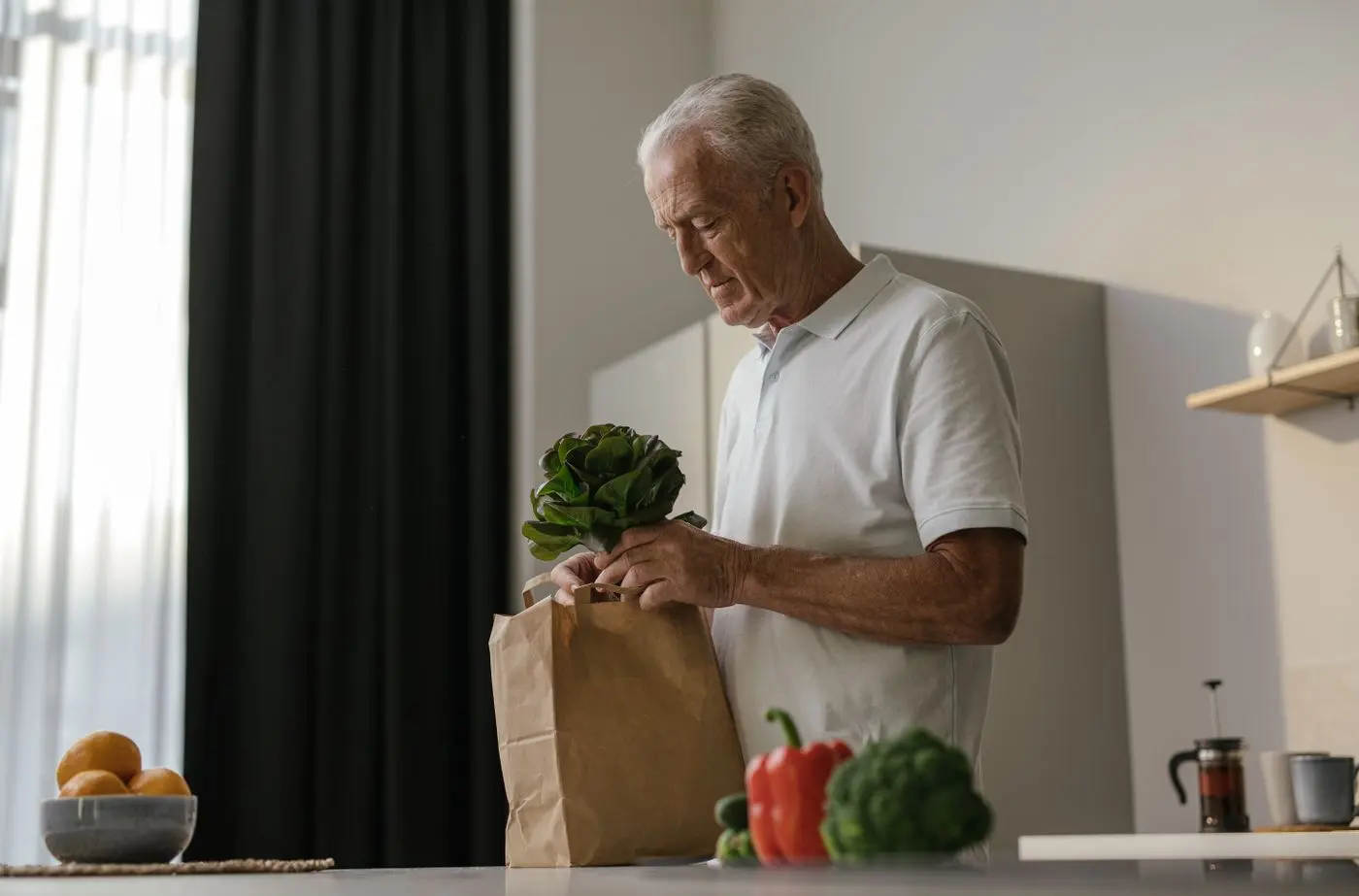
No shopping list of miracle foods here, because the sources do not have one. What they do have is a short list of habits that cost almost nothing, and most of it fits in a normal day.
Can food prevent or shrink an enlarged prostate?
Start with the honest part. The NIDDK says researchers "have not found eating, diet, or nutrition to cause or prevent BPH." It adds that changes in eating, diet and nutrition "could help treat or lessen some of your symptoms." Mayo Clinic says the same thing in its own words: healthy habits "may ease symptoms."
So the goal is not a smaller prostate. The goal is fewer night trips, less urgency and a body that is in better shape overall. Mayo Clinic also notes that these same habits can lower your risk of erectile dysfunction, diabetes and heart disease, which is a nice bonus for a list this cheap. Our article on erectile dysfunction and heart health shows why those three travel together.
If you came here from our guides on enlarged prostate symptoms or waking up to pee at night, this is the "what can I do at home" chapter.
What should I drink, and when?
This is the one change that both the NIDDK and Mayo Clinic put at the top. You can reduce how often you need to urinate when you are out, or while you sleep, by limiting how much you drink before outings and bedtime. Mayo's wording is to avoid liquids for a few hours before going to bed or before going out.
The second part is caffeine and alcohol. Mayo says these substances can make you feel like you need to urinate more often, and the NIDDK lists avoiding or limiting them among the lifestyle steps for a mildly enlarged prostate. We wrote a whole guide on what to cut first for night-time trips, so we will not repeat it here.
A small trick that is easy to miss
The NIDDK says your health care professional may ask how much water or other liquid you drink each day and whether you have caffeine or alcohol. Writing it down for a few days before your visit gives you a real answer.

Which foods do the sources suggest?
Mayo Clinic's answer on diet and an enlarged prostate is short and practical. Here it is as a table, joined with what Mayo says about fat on its prostate cancer prevention page:
| Food group | Lean toward | Go easier on |
|---|---|---|
| Vegetables | Lots of different vegetables every day | No limit mentioned |
| Fruit | A few servings a day, with citrus such as oranges or grapefruit | No limit mentioned |
| Protein | Beans and other plant protein; fish high in omega-3, like salmon and sardines | Large amounts of red meat |
| Fat | Leaner cuts of meat; low-fat or reduced-fat dairy; less fat added in cooking | Fatty foods and saturated fat |
| Drinks | Fewer liquids in the few hours before bed or before going out | Drinks with caffeine and alcohol |
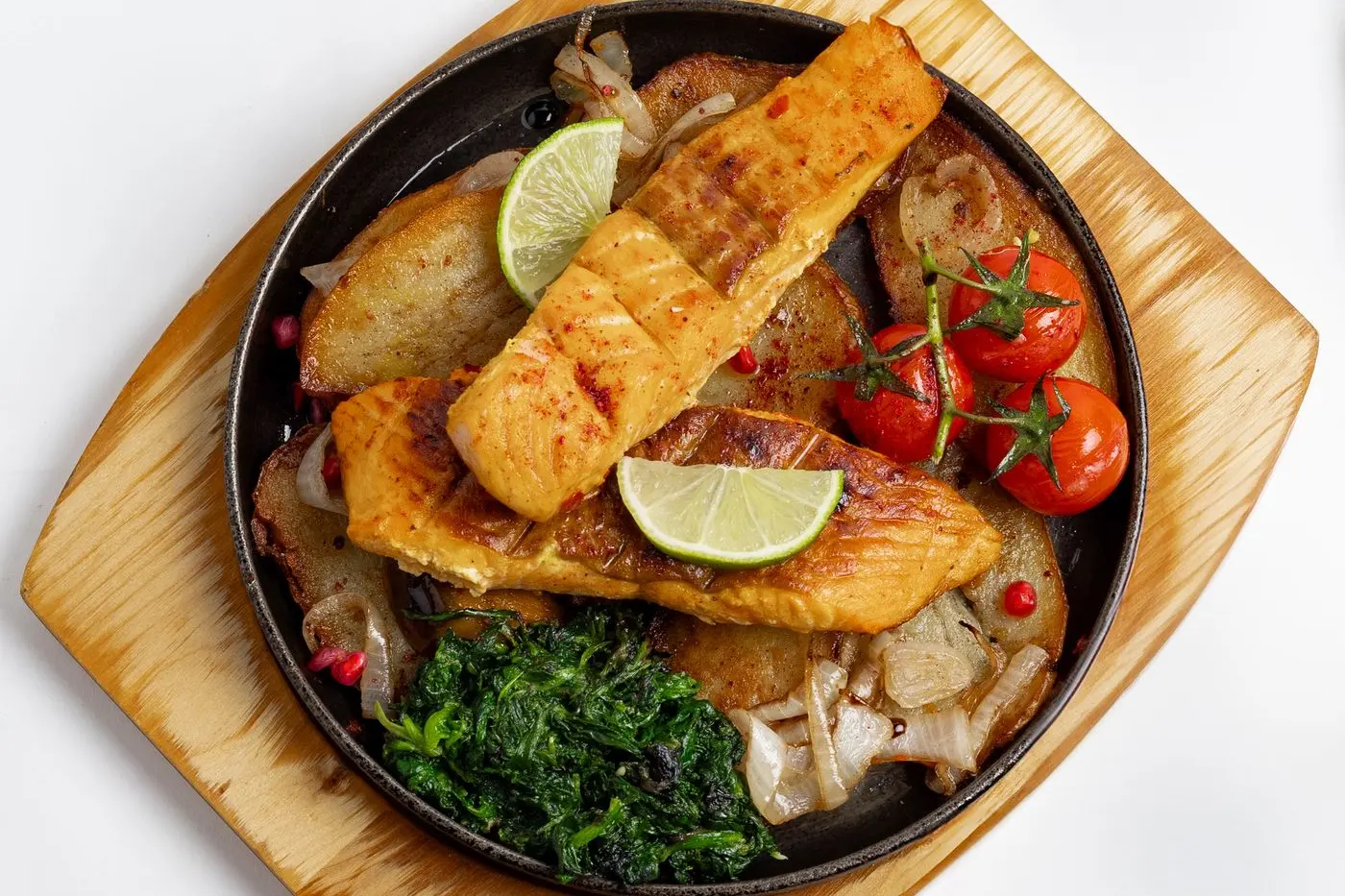
Two details stand out. First, Mayo says to include citrus fruits such as oranges or grapefruit among your fruit servings. Second, on protein it does not tell you to give up meat. It says some studies found a higher risk of an enlarged prostate in men who ate more red meat, and that experts recommend plant protein such as beans and fish high in omega-3 fatty acids. Omega-3s are the essential fats that promote good heart health, and salmon and sardines are the examples Mayo gives.
What about fat and dairy?
This is where it pays to keep your feet on the ground. On its prostate cancer prevention page, Mayo says that in some studies the men who ate the most fat each day had a higher risk of prostate cancer, and then adds that "this doesn't prove that eating excess fat causes prostate cancer. Other studies haven't found this link." Dairy is similar: in some studies the biggest dairy eaters had the highest risk, but results have been mixed and the risk linked to dairy is "thought to be small."
The practical takeaway Mayo offers is modest. Cutting fat has other plusses, such as helping you control your weight and improving heart health. To do it, add less fat when you cook, choose leaner cuts of meat and pick low-fat or reduced-fat dairy. On the enlarged prostate page, Mayo's bottom line includes limiting saturated fats.
No panic and no extreme diet. Just a few swaps you can keep for years.
How much should I move?
The NIDDK is direct about this one. It lists being "not physically active" as a risk factor for BPH, recommends being physically active as a lifestyle step, and says that although researchers have not found a way to prevent BPH, "being physically active may help reduce your risk."
Mayo Clinic gives numbers: 150 to 300 minutes of moderate-intensity activity a week, or 75 to 150 minutes of vigorous activity, or a mix of the two. For the moderate end, that is about 30 minutes on five days. Mayo's examples for an enlarged prostate are brisk walking, biking or playing sports most days of the week. Its tips for getting started are simple: go slowly, park farther from the door and take the stairs. The CDC's weekly targets and a sample week of walking and strength work are in our Fitness and Food guide.
Starting from zero?
Mayo Clinic says that if you do not already exercise, make an appointment with your healthcare professional to make sure it is OK for you to get started.
Does my waistline matter?
Both sources say yes. The NIDDK lists obesity, along with heart and blood vessel disease, type 2 diabetes, chronic kidney disease and erectile dysfunction, among the conditions that make BPH more likely. Mayo's advice is to stay at a healthy body weight, and its bottom line on the enlarged prostate page says to watch your waistline. On the prevention page it defines obesity as a body mass index of 30 or higher and says that if you carry excess weight, the way to work on it is to eat fewer calories each day and exercise more.
That is the reason the food and movement sections above belong together. They pull in the same direction.
Which bathroom habits help?
The NIDDK's list of lifestyle steps for watchful waiting goes beyond food. Besides the fluids, caffeine, alcohol and activity points above, it says to:
- Empty your bladder completely when you urinate
- Use the restroom often and do not try to hold urine for long periods of time
- Avoid or monitor your use of medicines that can make BPH symptoms worse
On that last point, the NIDDK says to tell a health care professional if you take over-the-counter cold and cough medicines such as decongestants or antihistamines, tranquilizers, antidepressants or diuretics. Do not stop any medicine on your own; that is a conversation for your doctor. And if dribbling or leaks are part of your story, our guide to Kegel exercises for men after 50 covers the pelvic floor routine from Mayo Clinic and the NIDDK.
Where do supplements fit in?
Mayo Clinic puts it plainly: some studies have looked at dietary supplements and herbal therapies, including saw palmetto, lycopene and beta-sitosterol, and "results have been mixed." Its advice is to ask your healthcare professional before trying a supplement. We went through that evidence in our article on saw palmetto for the prostate, and the prostate guide shows where everything else fits.
What does a simple starter list look like?
Here is one way to put the sources into a week. Nothing in the table is ours except the packaging. Each row comes from the pages listed at the end:
| When | What to do | Source |
|---|---|---|
| Evening | Stop drinking liquids a few hours before bed | NIDDK, Mayo Clinic |
| Daytime | Cut back on drinks with caffeine and on alcohol | NIDDK, Mayo Clinic |
| Every meal | Add one vegetable or one fruit serving | Mayo Clinic |
| Lunch or dinner | Choose fish with omega-3 (salmon, sardines) or beans in place of red meat | Mayo Clinic |
| Most days | A brisk walk, building toward 30 minutes | NIDDK, Mayo Clinic |
| Every bathroom trip | Take your time and empty your bladder completely; do not hold urine for long stretches | NIDDK |
| Next checkup | Mention any urinary symptoms to your health care professional | NIDDK |
When is food not the answer?
Habits are a helper, not a diagnosis. The NIDDK says you should discuss any urinary symptoms with a health care professional, because some of them could be caused by other problems such as bladder problems, urinary tract infections, prostatitis or prostate cancer.
Tell a health care professional right away if you
- Cannot urinate at all
- Feel painful, frequent and urgent needs to urinate and have a fever and chills
- Have blood in your urine
- Feel great discomfort or pain in your lower abdomen or urinary tract
This list comes from the NIDDK.
If you are not sure what to ask at your appointment, our guides on the PSA test after 50 and on enlarged prostate symptoms will help you prepare.
Frequently asked questions
Can food shrink an enlarged prostate?
No source we read says so. The NIDDK states that researchers have not found eating, diet or nutrition to cause or prevent BPH, and that changes in diet could help lessen some of your symptoms. Mayo Clinic says healthy habits may ease symptoms, which is a different thing from making the gland smaller.
What is the easiest change to try first?
Drink less in the hours before bed and before you head out. Both the NIDDK and Mayo Clinic list it first, and both add cutting back on caffeine and alcohol, which Mayo says can make you feel like you need to urinate more often.
Is red meat bad for the prostate?
Mayo Clinic says some studies found a higher risk of an enlarged prostate in men who ate more red meat. It does not say red meat is off the menu. Its advice is to get protein from plant sources such as beans, and to eat fish high in omega-3 fatty acids, like salmon and sardines.
How much exercise do I need?
Mayo Clinic suggests 150 to 300 minutes of moderate-intensity activity a week, or 75 to 150 minutes of vigorous activity, or a mix. That works out to about 30 minutes of brisk walking on five days. If you do not exercise now, Mayo says to check with your doctor first and start slowly.
Does my weight matter for my prostate?
The NIDDK lists obesity among the conditions that make BPH more likely, and Mayo Clinic says to stay at a healthy body weight. Mayo defines obesity as a body mass index of 30 or higher and suggests eating fewer calories and exercising more if you carry extra weight.
Should I take a supplement for my prostate?
Mayo Clinic says studies on supplements and herbal therapies such as saw palmetto, lycopene and beta-sitosterol have had mixed results, and to ask your healthcare professional for advice before trying one. We go through the saw palmetto evidence in a separate article.
Does dairy hurt the prostate?
Mayo Clinic says that in some studies the men who ate the most dairy had the highest risk of prostate cancer, but results have been mixed and the risk linked to dairy is thought to be small. Its prevention page suggests low-fat or reduced-fat dairy as one way to cut fat.
Sources we checked for this article
- NIDDK: Enlarged Prostate (Benign Prostatic Hyperplasia) (page last reviewed June 2024)
- Mayo Clinic: Enlarged prostate: Does diet play a role? (Mayo Clinic Staff, May 13, 2025)
- Mayo Clinic: Prostate cancer prevention: Ways to reduce your risk (Mayo Clinic Staff, Sept. 11, 2025)