
Prostate Health · Bladder Control
Pelvic Floor and Kegel Exercises for Men After 50: A 5-Minute Routine
By OakMan Guide Editorial Team Updated 7 min read
The short answer
Kegels are a squeeze-and-release of the pelvic floor, the hammock of muscle that holds your bladder and bowel up. Mayo Clinic and the NIDDK both say to squeeze for three seconds, relax, and work up to 10 to 15 reps, three times a day. Most men who stay with it see results in a few weeks to a few months, and finding the right muscle comes first.
We're not doctors, and this is not medical advice. Everything below comes from the sources listed at the end, and any symptom you have belongs in front of your doctor.

No gym, no gear, no sweat, and you can do it at a red light. Here is what the pelvic floor does, how to find it and the routine the sources lay out.
What is the pelvic floor, and why train it after 50?
The NIDDK describes the pelvic floor as muscles that "stretch like a hammock" from the front to the back of your pelvis. They support the bladder and the rectum and help you avoid releasing urine, stool or gas at the wrong time. Mayo Clinic adds that in men these same muscles affect sexual function. Kegel exercises, also called pelvic floor muscle training, are how you strengthen them.
Mayo lists what can weaken the muscles: surgery to remove the prostate (radical prostatectomy), an overactive bladder, aging, being overweight, and straining from constipation or lots of coughing. Most of those show up more often after 50, which is why this is a men-over-50 topic and not only a postpartum one.
If you came here from our guides on waking up to pee at night or enlarged prostate symptoms, think of this as the one thing on the list you can start today without buying anything.
Who might benefit from Kegel exercises?
Mayo says you might benefit if you:
- Dribble after urination, usually after you have left the toilet
- Leak urine, also called urinary incontinence
- Leak urine after a strong, sudden urge to go (urge incontinence)
- Leak stool (fecal incontinence)
Mayo's wording is careful: "Kegels help some people stop these leaks." The NIDDK says the same for men in its bladder control guide: strengthening these muscles "may help a man leak urine less often, especially dribbling after urination." Both pages also mention that pelvic floor training may improve sexual function.
Check with your doctor first
Both Mayo and the NIDDK say to talk with your health care professional before you start and ask whether Kegels are right for you. The NIDDK adds that in some cases they may not be a good option.
How do I find the right muscles?
This is the step most guides rush, and the NIDDK admits that "many people have trouble finding the right muscles." The sources give you three ways to check:
- The gas test. Tighten the muscles you would use to keep from passing gas. This is the easiest one to do anywhere.
- The midstream test. While you urinate, try to stop the flow. The muscles you squeeze are your pelvic floor. Use this only to locate them. Do not make it a habit (more on that below).
- The finger test. Both Mayo and the NIDDK describe placing a finger in the anus and squeezing as if holding in urine. Tightness on the finger means you have the right muscles.
Once you know the feeling, Mayo says you can do Kegels in any position, and at first lying down is usually easiest. Squeezing the wrong muscles is wasted effort, so it is worth spending the first few days only on finding the right one before counting a single rep.
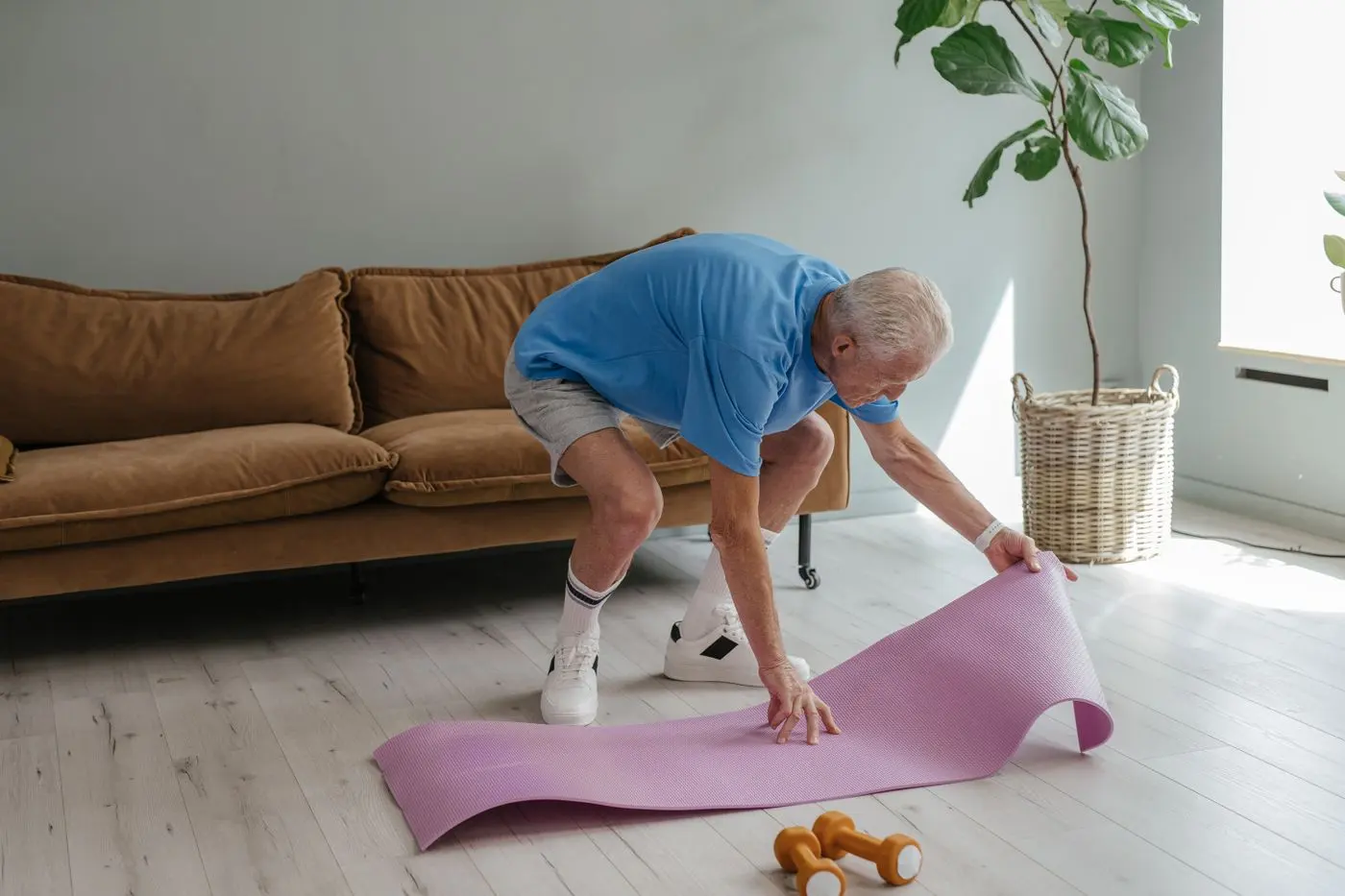
What is the step-by-step Kegel routine?
Putting the Mayo and NIDDK steps together, one set looks like this:
- Squeeze your pelvic floor muscles and hold for 3 seconds.
- Relax fully for 3 seconds (Mayo) so the muscles let go completely (NIDDK).
- Repeat a few times at first, then work up to 10 to 15 squeezes in a set.
- Keep breathing. Mayo says not to hold your breath and to breathe freely.
- Do at least three sets a day, ideally in all three positions: lying down, sitting and standing. The NIDDK says using all three makes the muscles strongest.
The NIDDK also gives a sample day, which we have put in a table. Mayo suggests starting lying down and moving to sitting, standing or walking as the muscles get stronger, so if you are new, do all three sets lying down for the first week or two.
| When | Where | Position | The set |
|---|---|---|---|
| Morning | While making breakfast | Standing | 10 to 15 squeezes of 3 seconds, resting in between |
| Afternoon | At your desk or while driving | Sitting | Same set |
| Evening | In bed | Lying down | Same set |
Here is the arithmetic: 15 squeezes of 3 seconds with 3 seconds of rest is about 90 seconds, so a full set fits comfortably inside the "just 5 minutes, three times a day" the NIDDK promises. The NIDDK also suggests keeping a daily journal or exercise log, and that is the cheapest way to see whether you are being consistent.
What mistakes should I avoid?
These are the four the sources warn about:
- Squeezing the wrong muscles. Mayo says to try not to flex your stomach, thighs or buttocks. The NIDDK explains why: squeezing the wrong muscles can put more pressure on the bladder and make it easier to leak.
- Holding your breath. Breathe freely during the exercise.
- Doing Kegels while you pee. Mayo and the NIDDK both say stopping your bladder from emptying could raise your risk of a bladder infection. Use the midstream stop only to find the muscle.
- Doing more than planned. The NIDDK says not to increase the number of exercises, because overdoing it can lead to straining when you urinate or have a bowel movement.
If you rank the four, finding the right muscle comes first. Once you can feel it, the other three are easy to fix.
How do I fit Kegels into a normal day?
Mayo's suggestion is to hook the sets to things you already do. Some of its examples:
- A set while brushing your teeth or making breakfast
- A set right after you urinate, to get rid of the last few drops
- A squeeze just before and during anything that puts pressure on your belly, like a sneeze, a cough, a laugh or heavy lifting
The NIDDK's bladder control guide adds a useful trick for the "gotta go now" moments: quick, strong squeezes of the pelvic floor muscles can help suppress the urge, which may help you get to the toilet before you leak. That is the same muscle, used as a brake.

How long until Kegels start to work?
Be patient with this one. The NIDDK says you may not feel your bladder control improve until after 3 to 6 weeks, "like any exercise routine." Mayo gives a wider window: results within a few weeks to a few months if you do them regularly, such as leaking urine less often. And to keep the benefits, Mayo says to make Kegels a lasting part of your daily routine.
Think of it like walking. The first week proves nothing, and the habit is what pays off. A good trick is to hook the sets to the morning coffee, because a habit tied to something you already do tends to last longer than one that depends on remembering.
What if I cannot tell whether I am doing it right?
You are in good company, and the sources have an answer. Your doctor, a nurse or a pelvic floor physical therapist can examine you while you do the exercise and confirm you are squeezing the right muscles. Mayo and the NIDDK also mention two aids a professional may suggest:
- Biofeedback, where sensors measure your pelvic floor activity as you squeeze and relax, so you can see whether you are doing it right.
- Electrical stimulation, a device that releases a mild current that makes the muscles contract the way they do in a Kegel.
The NIDDK adds that you do not need special equipment for Kegels, and that a physical therapist trained in pelvic floor therapy can also show you how to do the exercises during daily activities, like riding in a car or sitting at a desk.
What else helps with leaks and night trips?
The NIDDK's treatment page lists lifestyle steps that work alongside Kegels: limiting caffeine (chocolate, tea, coffee and carbonated drinks) and alcohol, keeping a healthy weight, staying physically active with things like walking, swimming or biking, and avoiding constipation. We walk through the first one in what to cut first for night-time trips, and the food and movement side is in our foods and habits guide.
If leaks or new urinary symptoms are what brought you here, the first step is a conversation with your doctor. Our guides on the PSA test and on prostatitis vs BPH will help you prepare for it, and the prostate guide has the full picture of this stage of life.
Frequently asked questions
How long should I hold a Kegel squeeze?
Both Mayo Clinic and the NIDDK start you at 3 seconds. Mayo adds 3 seconds of rest between squeezes, and the NIDDK says to release and fully relax. Both also say your health care professional may suggest a different hold time or number of repetitions, so a plan from your doctor wins over the starter numbers.
How many Kegels should I do a day?
Aim for at least three sets a day and work up to 10 to 15 squeezes in each set. Mayo suggests spreading them across lying down, sitting and standing. The NIDDK says not to raise the count beyond that, because overdoing it can lead to straining when you urinate or move your bowels.
Can I do Kegels while I pee?
Only once, to find the muscle. Mayo and the NIDDK both say stopping your stream midstream is a fine way to locate the pelvic floor, and both warn against making it a habit, because stopping your bladder from emptying could raise your risk of a bladder infection.
Do Kegels help with dribbling after I pee?
Mayo lists dribbling after urination, usually after you have left the toilet, as a sign you might benefit from Kegels. The NIDDK says strengthening these muscles may help a man leak urine less often, especially dribbling after urination. Mayo also suggests one set right after you urinate to get rid of the last few drops.
How do I know I am squeezing the right muscle?
Mayo says to tighten the muscles you would use to keep from passing gas or to stop urinating midstream. Your stomach, thighs and buttocks should stay relaxed, and you should keep breathing. If you are not sure, your doctor, a nurse or a pelvic floor physical therapist can check while you do the exercise.
How long until Kegels start to work?
The NIDDK says you may not feel your bladder control improve until after 3 to 6 weeks. Mayo says to expect results within a few weeks to a few months if you do them regularly, and to make them a lasting part of your day to keep the benefits.
Sources we checked for this article
- Mayo Clinic: Kegel exercises for men: Understand the benefits (Mayo Clinic Staff, October 9, 2024)
- NIDDK: Kegel Exercises (page last reviewed November 2021)
- NIDDK: Treatments for Bladder Control Problems (Urinary Incontinence) (page last reviewed July 2021)