
Men's Health · Erectile Dysfunction
Erectile Problems and Lifestyle After 50: Sleep, Alcohol, Weight and Stress
By OakMan Guide Editorial Team Updated 8 min read
The short answer
Yes, daily habits can affect erections after 50. The NIDDK lists too little activity, heavy drinking, smoking, stress, anxiety, obesity and heart disease among the causes of ED, and the NHLBI links poor sleep to several of those conditions. The good news is that the NIDDK also puts habit changes first in its treatment advice, so sleep, alcohol, weight and stress are a practical place to start.
We're not doctors, and this is not medical advice.

A smiling older woman rests her chin on her hand beside a bearded man in an apron. Photo: Gustavo Fring, Pexels.
Most of the things that get in the way of an erection are things you can work on at home. Below, the NIDDK and NHLBI advice goes habit by habit, followed by what still belongs in a doctor visit.
Do habits really matter for erections after 50?
They do, and the NIDDK says so directly. Besides diseases, medicines and mental health issues, it lists lifestyle behaviors that may contribute to erectile dysfunction (ED): not getting enough physical activity, drinking too much alcohol, smoking cigarettes and using recreational or illicit drugs. Its treatment page then lists lifestyle changes first among the things a health care professional may suggest: quitting smoking, limiting or stopping alcohol, more physical activity, a healthy body weight, a healthy eating plan and no recreational drugs.
The same page adds a useful point: sometimes, changing a daily habit could help prevent or improve ED. Habits are not the whole story, since ED can also come from blood vessels, nerves, hormones or medicines. If you want the full list of causes and what the visit involves, start with our guide to erectile dysfunction after 50. This article stays on the part you control.
| Habit | What the sources say | A first step |
|---|---|---|
| Sleep | The NHLBI links sleep deficiency to heart disease, high blood pressure, diabetes, obesity and depression, and lists sexual dysfunction among sleep apnea symptoms. | Keep a steady schedule; mention loud snoring or gasping to your doctor |
| Alcohol | The NIDDK says drinking too much may contribute to ED and may mask other causes. | Limit it or skip it, and none close to bedtime |
| Weight | The NIDDK lists obesity and overweight as causes and says a healthy weight can improve testosterone and self-esteem. | A steady eating plan, not a crash diet |
| Stress | The NIDDK lists anxiety, depression, stress and loneliness as causes or aggravators. | Relaxation, deep breathing, counseling if it weighs on you |
| Movement | The NIDDK says too little activity may contribute, and that activity increases blood flow. | Brisk walking adds up to 150 minutes a week |
| Smoking | The NIDDK links smoking to blood vessel disease, which can lead to ED. | Quitting is one of the best steps for ED and overall health |
Does poor sleep affect erections?
The NIDDK does not name sleep in its list of causes, so we will not claim a direct line. What the NHLBI says is that sleep deficiency is linked to many chronic health problems, including heart disease, kidney disease, high blood pressure, diabetes, stroke, obesity and depression. Every one of those also appears in the NIDDK's list of conditions and issues that can lead to ED. Seen that way, sleep sits upstream of several causes.
There is one sleep condition the NHLBI ties to sex directly. Its sleep apnea symptoms page lists breathing that starts and stops, frequent loud snoring (more common in men) and gasping for air, along with daytime sleepiness, dry mouth, sexual dysfunction or decreased libido, and waking up often during the night to urinate. You may not know about the night-time signs until someone tells you, so if your partner mentions snoring or gasping, bring it up. The NHLBI says to talk to your healthcare provider, and that you may need a sleep study to diagnose it.
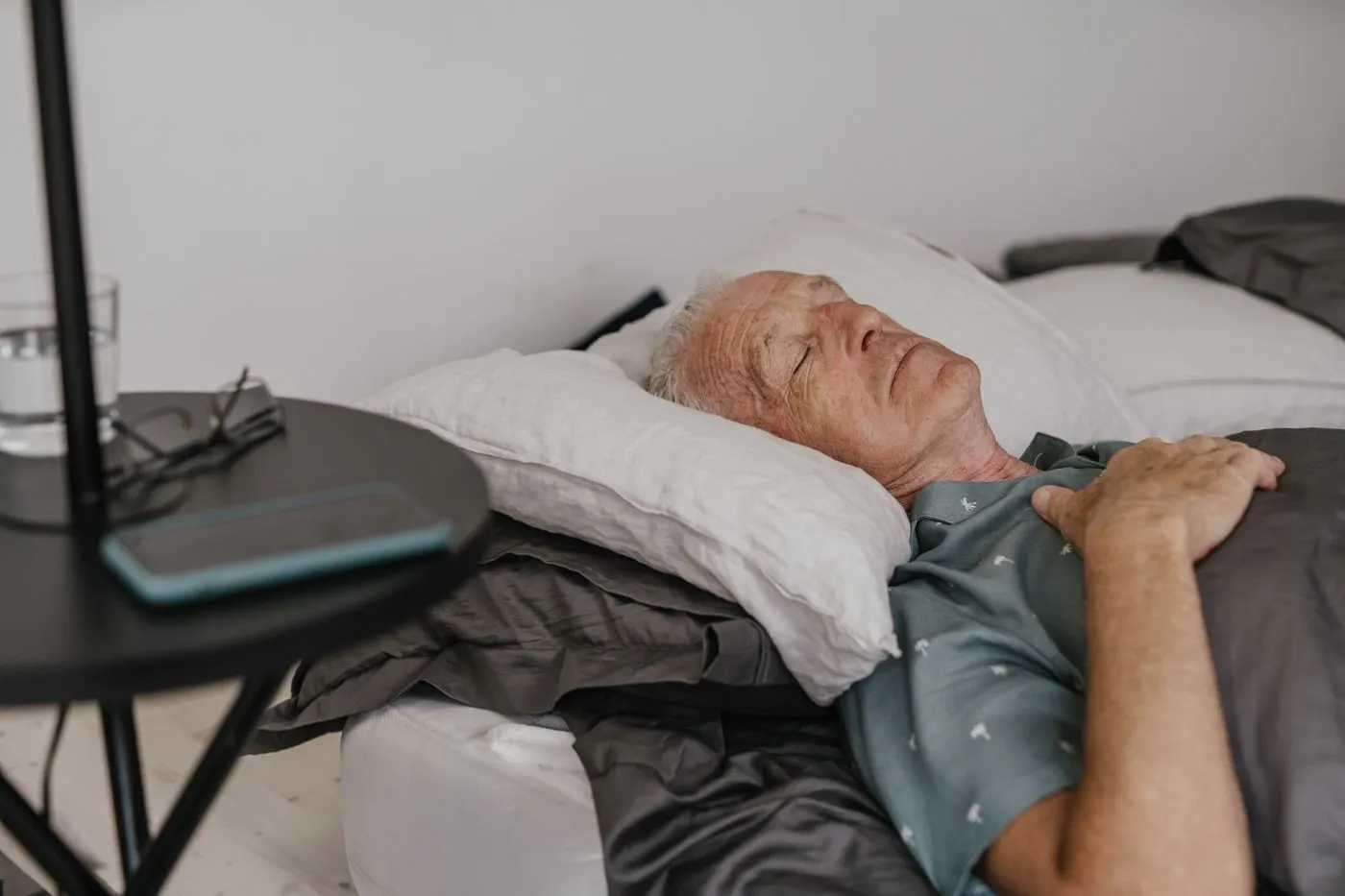
Which sleep habits does the NHLBI suggest?
Its healthy sleep habits page is short and practical. These are the items most relevant to a man over 50:
| Habit | What it means |
|---|---|
| Same wake time every day | Keep weekends within about an hour of weekdays. |
| A quiet last hour | Skip intense exercise and bright screens; the light can tell the brain to stay awake. |
| Light evening meal | Avoid heavy or large meals within a few hours of bed; a light snack is fine. |
| No alcohol before bed | The NHLBI lists this among its healthy sleep habits. |
| Caffeine early | Its effects can last up to 8 hours, so a late-afternoon coffee can keep you awake. |
| A cool, dark, quiet room | A dim night light is fine if you need one. |
If night bathroom trips are what keep you up, our guide to why men over 50 wake up tired covers that side, and it is worth reading before you blame sleep or erections on getting older.
How does alcohol affect erections?
The NIDDK lists drinking too much alcohol among the lifestyle behaviors that may contribute to ED, and its treatment page names limiting or stopping alcohol use as a change your health care professional may suggest. In its prevention advice it adds something worth knowing: illicit drugs and too much alcohol may mask other mental health, emotional or physical factors that cause ED. In plain terms, heavy drinking can hide the real reason, which is one more reason to bring the problem to a doctor.
The NIDDK does not give a number of drinks, and we will not invent one. What the sources do give is a direction: less is better, and none close to bedtime. The NHLBI's sleep advice says to avoid alcoholic drinks before bed, and our article on caffeine, alcohol and night-time urination shows how the evening glass can cost you sleep and bathroom trips as well. Ask your doctor what is reasonable for you, especially if you take medicine.
Can weight and food make a difference?
The NIDDK lists obesity and overweight among the chronic conditions that can lead to ED, together with diabetes, heart and blood vessel disease and kidney disease. Its prevention advice gives the upside: a healthy weight can improve testosterone levels and self-esteem, which may help prevent ED, and it can also prevent diabetes and high blood pressure, which can cause ED.
On food, the NIDDK eating page says research shows a healthy diet can lower the risk of ED and improve symptoms, and that diets such as the Mediterranean diet help decrease the chance of getting it. Its examples of good choices:
- Vegetables, such as cabbage, leafy greens and beets, and fruits, such as apples, berries, kiwifruit and oranges
- Legumes, such as lentils, beans and peas
- Unsaturated fats from nuts, seeds and fatty fish
- Whole grains, such as oats, brown rice and quinoa
It suggests avoiding or limiting foods high in saturated fat, such as red meat and fried food, full-fat dairy, refined carbohydrates such as pastries, chips and candy, foods and drinks high in sodium and added sugar, packaged foods such as lunch meats and snack bars, and drinks that contain alcohol. The NIDDK says a registered dietitian can build a plan for your needs. For a gentler starting point, our list of foods and habits for prostate health overlaps with this one, and our guide to protein after 50 shows how to keep muscle while you change what you eat.
How much exercise helps?
The NIDDK says physical activity increases blood flow through your body, including the penis, and helps keep a healthy weight. It points to the Physical Activity Guidelines for Americans, which recommend at least 150 minutes of moderate-intensity activity, such as brisk walking, each week. Spread across the week, that is roughly half an hour on most days. If you want something beyond walking, our strength training starter plan for men over 50 is built for beginners.
Can stress and worry cause erection problems?
Yes. The NIDDK says some mental health or emotional issues can either cause ED or make it worse: anxiety, depression or stress, feeling isolated or lonely, and low self-esteem, lack of confidence or a negative body image. Its treatment page says counselors can help lower anxiety and stress about sex, sometimes with your partner in the sessions for more support.
For everyday stress, the NIDDK's advice is simple. Take care of your mental and emotional health, try relaxation techniques and activities that soothe you, and use deep breathing, which you can do anywhere. If you are feeling low or alone more days than not, that is worth telling your doctor too, since the same list names depression.
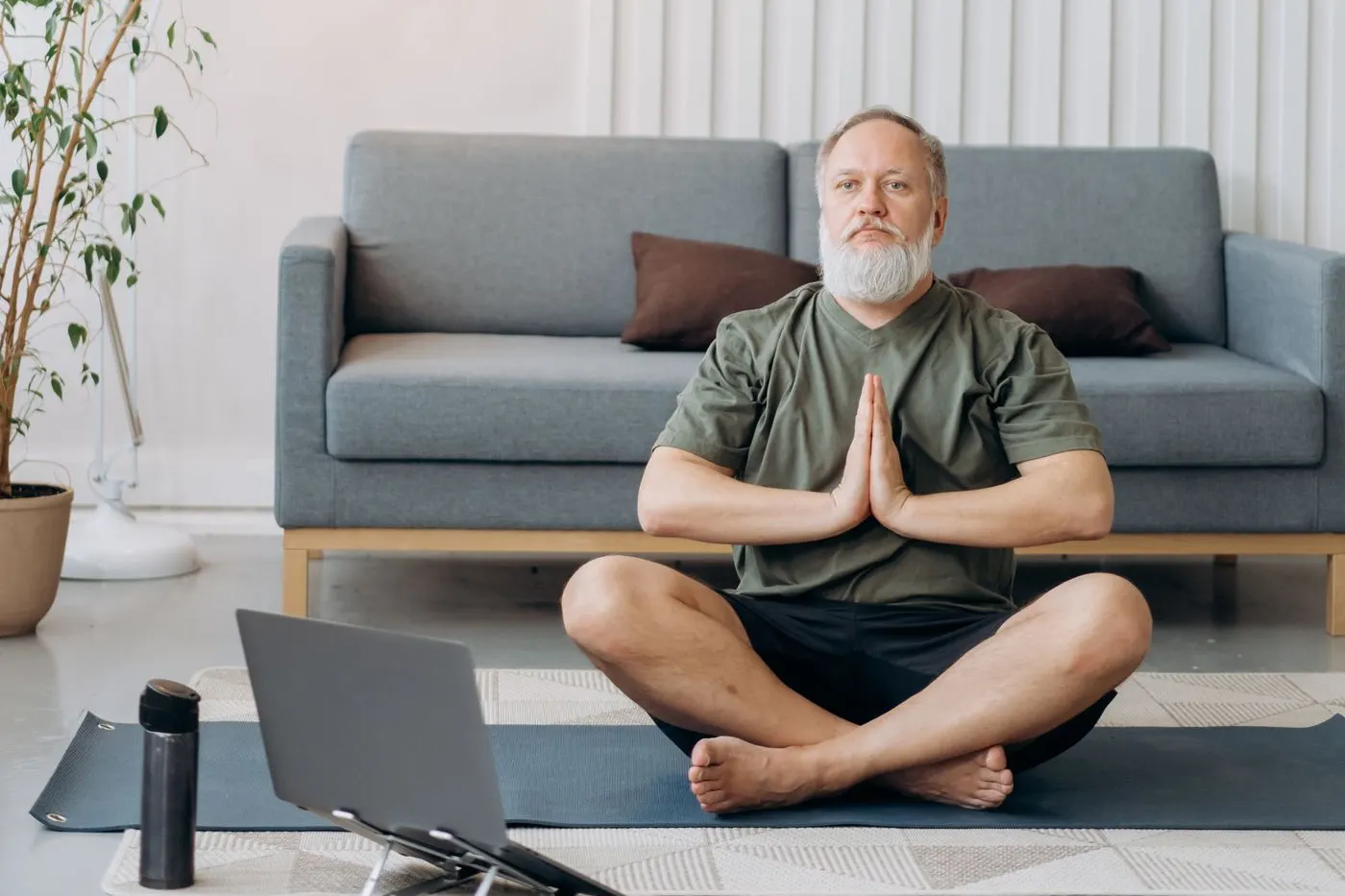
When should you see a doctor instead of waiting on habits?
Sooner rather than later. The NIDDK says ED may be a symptom of another health problem, and its treatment page says health care professionals treat the underlying cause when possible. Habit changes are a good companion to the visit, not a replacement for it. Our article on erectile dysfunction and heart health explains why doctors ask about blood pressure, and our list of men's health checkups after 50 helps you plan the appointment.
Before you change medicines or add a supplement
The NIDDK says not to stop taking any medicine on your own, since ED can be a side effect of many common prescription and over-the-counter medicines, and to talk with your health care professional first. It also says not to order an ED medicine online before talking with a professional, and to check with one before using dietary supplements or other alternative medicines, because medicines and supplements can affect how other medicines work and interactions can lead to serious side effects.
In our opinion, the most useful thing in the NIDDK advice is how ordinary it is. Sleep, a lighter hand with alcohol, a steadier weight and less stress are good for your heart, your sugar and your mood, and they are the same habits we cover in the Men's Health Guide.
What is the bottom line?
Erection problems after 50 often have more than one cause, and several of them respond to habits. Sleep on a steady schedule, cut back on alcohol, move toward a healthy weight with a Mediterranean-style plate, walk most days and make room for calm. Then tell your doctor, because ED can be an early sign of something else, and the visit can check what the habits cannot.
Frequently asked questions
Can my daily habits really affect erections after 50?
Yes. The NIDDK lists not getting enough physical activity, drinking too much alcohol, smoking and using recreational drugs as lifestyle behaviors that may contribute to ED, and it says changing a daily habit could help prevent or improve it. Habits are not the only cause, so a doctor visit still comes first if it keeps happening.
Does poor sleep cause erectile dysfunction?
The NIDDK does not list sleep by name. The NHLBI says sleep deficiency is linked to heart disease, high blood pressure, diabetes, obesity and depression, and the NIDDK lists those conditions among the causes of ED. The NHLBI also lists sexual dysfunction or decreased libido among the symptoms of sleep apnea.
Is a drink or two a problem for erections?
The NIDDK says drinking too much alcohol may contribute to ED and that limiting or stopping alcohol is one of the lifestyle changes a health care professional may suggest. It does not give a number of drinks, so ask your doctor what fits you, especially if you take medicine.
Can losing weight improve erections?
It may help prevent ED. The NIDDK says a healthy weight can improve testosterone levels and self-esteem, and that it can also help prevent diabetes and high blood pressure, which can cause ED. It lists obesity and overweight among the chronic conditions that can lead to ED.
Can stress or anxiety cause erection problems?
They can cause ED or make it worse. The NIDDK lists anxiety, depression and stress, feeling isolated or lonely, and low self-esteem among the mental health or emotional issues involved. It says counselors can help lower anxiety and stress about sex, and that relaxation techniques such as deep breathing may help.
What eating pattern does the NIDDK suggest?
It says research shows a healthy diet can lower the risk of ED and improve symptoms, and that diets such as the Mediterranean diet help decrease the chance of getting it. Its examples are vegetables, fruits, legumes, nuts, seeds, fatty fish and whole grains, with less red meat, fried food, refined carbohydrates, added sugar and alcohol.
How much exercise does the NIDDK recommend?
It points to the Physical Activity Guidelines for Americans, which recommend at least 150 minutes, or 2 hours and 30 minutes, of moderate-intensity activity such as brisk walking each week. The NIDDK says activity increases blood flow through the body, including the penis, and helps keep a healthy weight.
Should I try a supplement or order an ED pill online?
Talk with a health care professional first. The NIDDK says not to order an ED medicine online before doing so, and to check with a professional before using dietary supplements or other alternative medicines, because interactions with your other medicines can cause serious side effects.
Sources we checked for this article
- NIDDK, NIH: Symptoms & Causes of Erectile Dysfunction (last reviewed October 2024)
- NIDDK, NIH: Treatment for Erectile Dysfunction (last reviewed October 2024)
- NIDDK, NIH: Eating, Diet, & Nutrition for Erectile Dysfunction (last reviewed October 2024)
- NHLBI, NIH: Sleep Deprivation and Deficiency (last updated March 24, 2022)
- NHLBI, NIH: Healthy Sleep Habits (last updated March 24, 2022)
- NHLBI, NIH: Sleep Apnea (last updated January 9, 2025)
- NHLBI, NIH: Sleep Apnea Symptoms (last updated January 9, 2025)